Story

Vet days — Kariba’s spay, Tanzi’s exam and more

Vet days — Kariba’s spay, Tanzi’s exam and more

The Keeper Journal

While I had every intention of continuing with our regularly scheduled programming of talking about the routine of the Sanctuary, we had an upset to our routine this past week and I thought it would be appropriate to also change the trajectory of this blog – at least for now. 

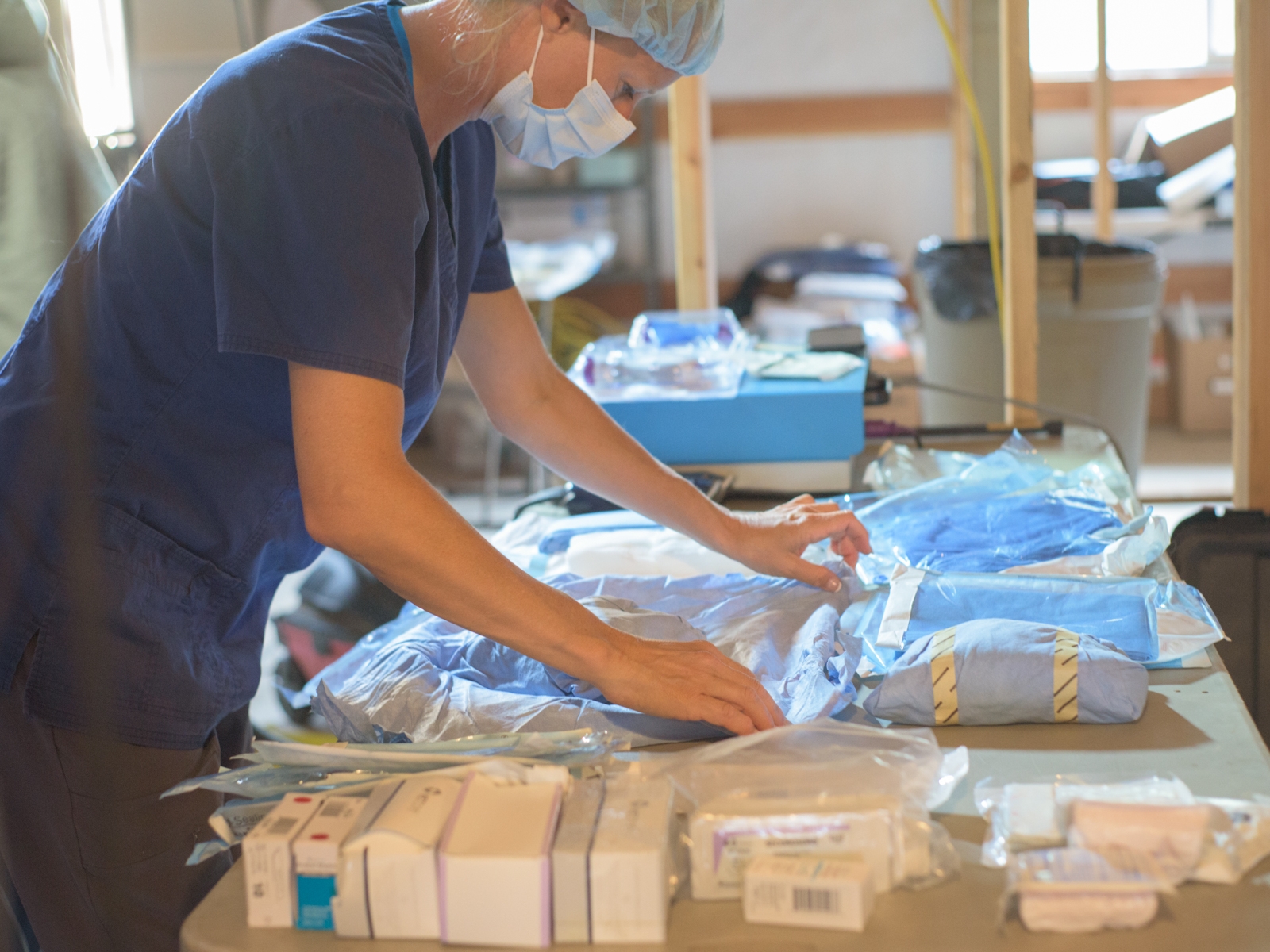
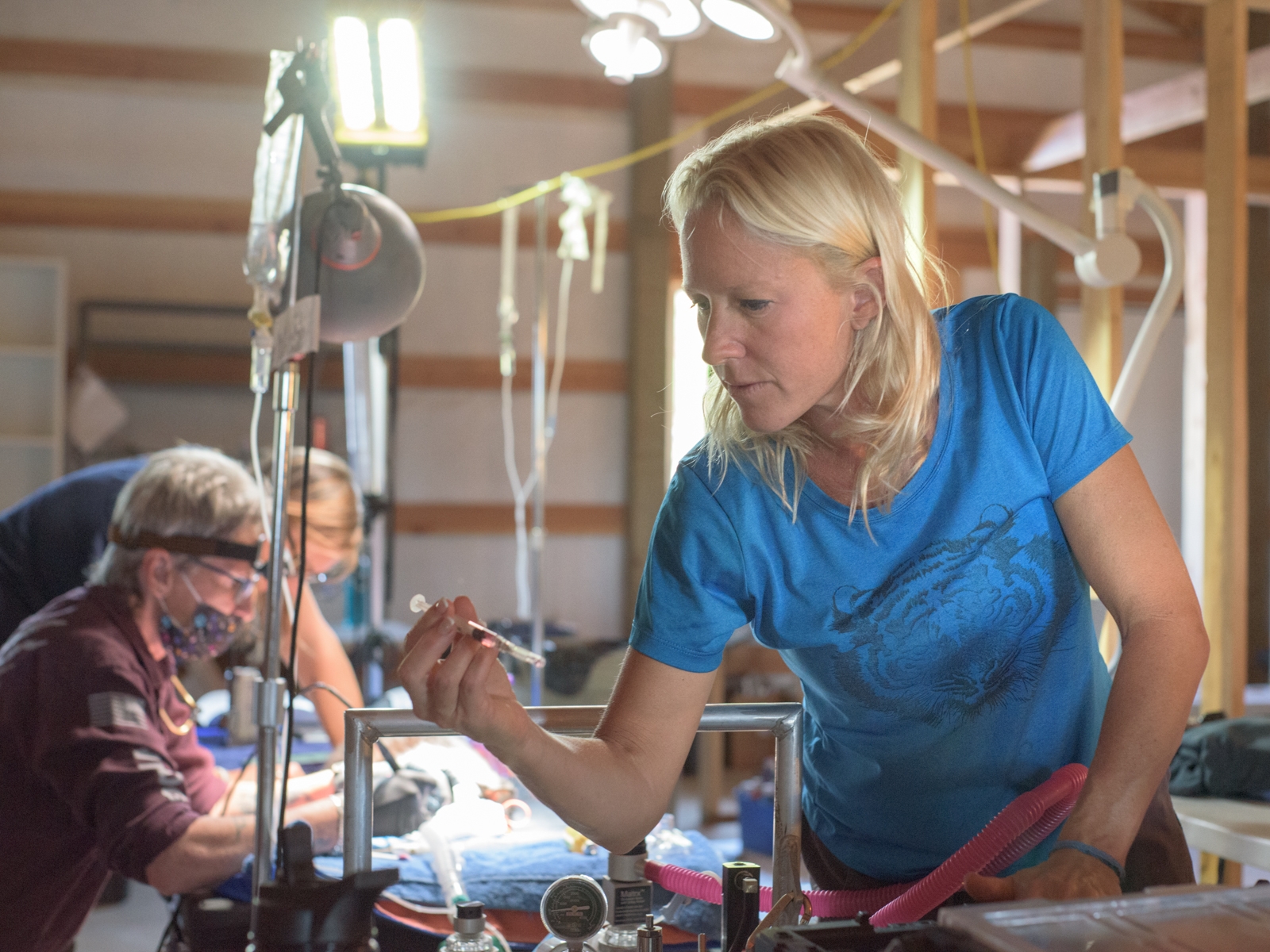
We were blessed to have Dr. Rebecca Richard and her team of vets and vet techs visit WCR for two days and assist us with medical procedures and check-ups for a number of our resident cats. 

Even though our on-site Animal Care Center is still a work in progress, Dr. Richard was able to set up all her equipment in the building. While it was phenomenal to be able to see the hospital being put to good use, we’re still anxious to have it completely finished. A finished hospital means more than just another building on site – it means more on-hand medical supplies and equipment, a safe and comfortable environment to keep cats in quarantine or recovery, and the ability to perform procedures without the need to transport cats off-site. It means less stress on everyone, from the keepers to the cats. 

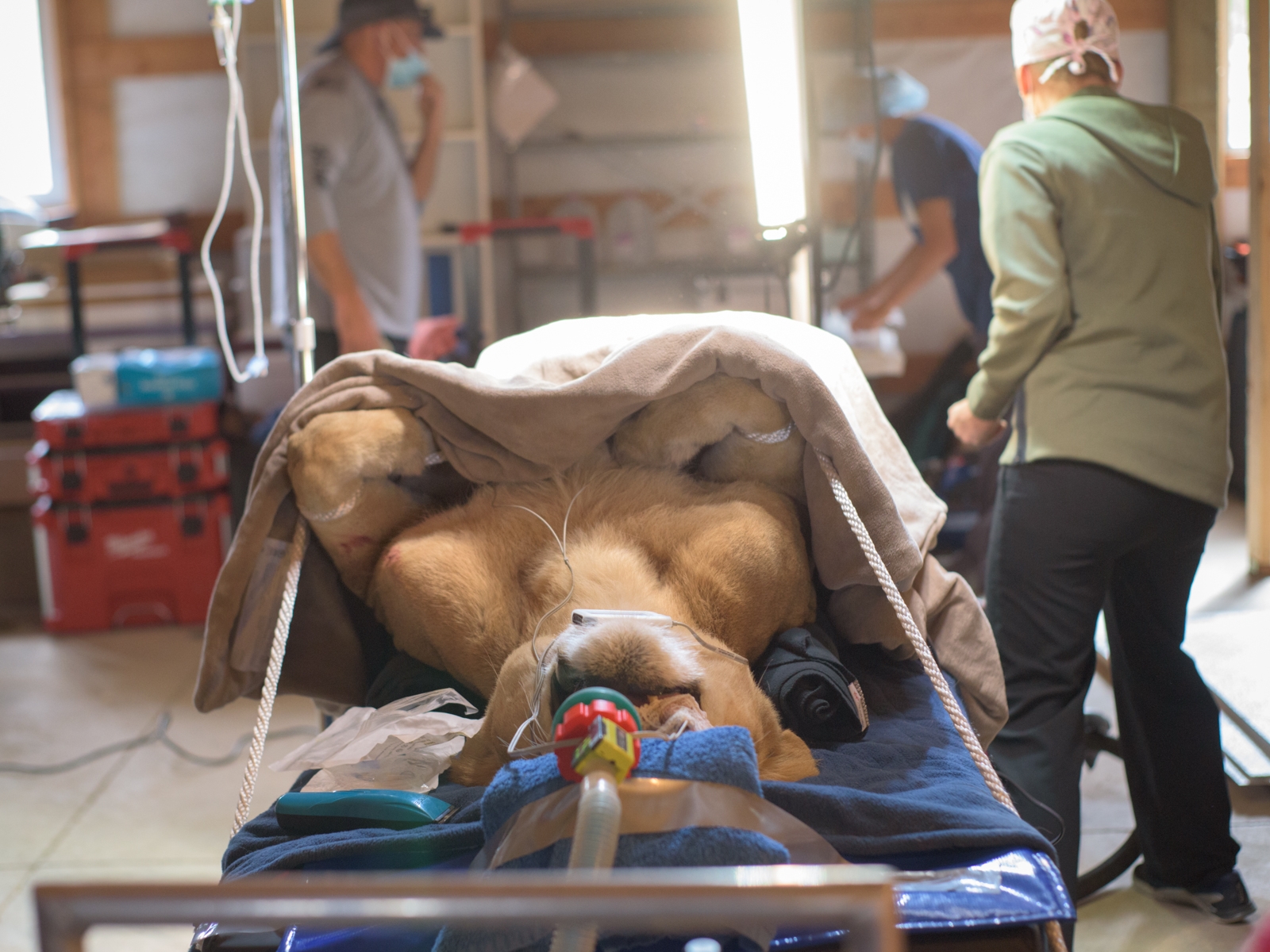
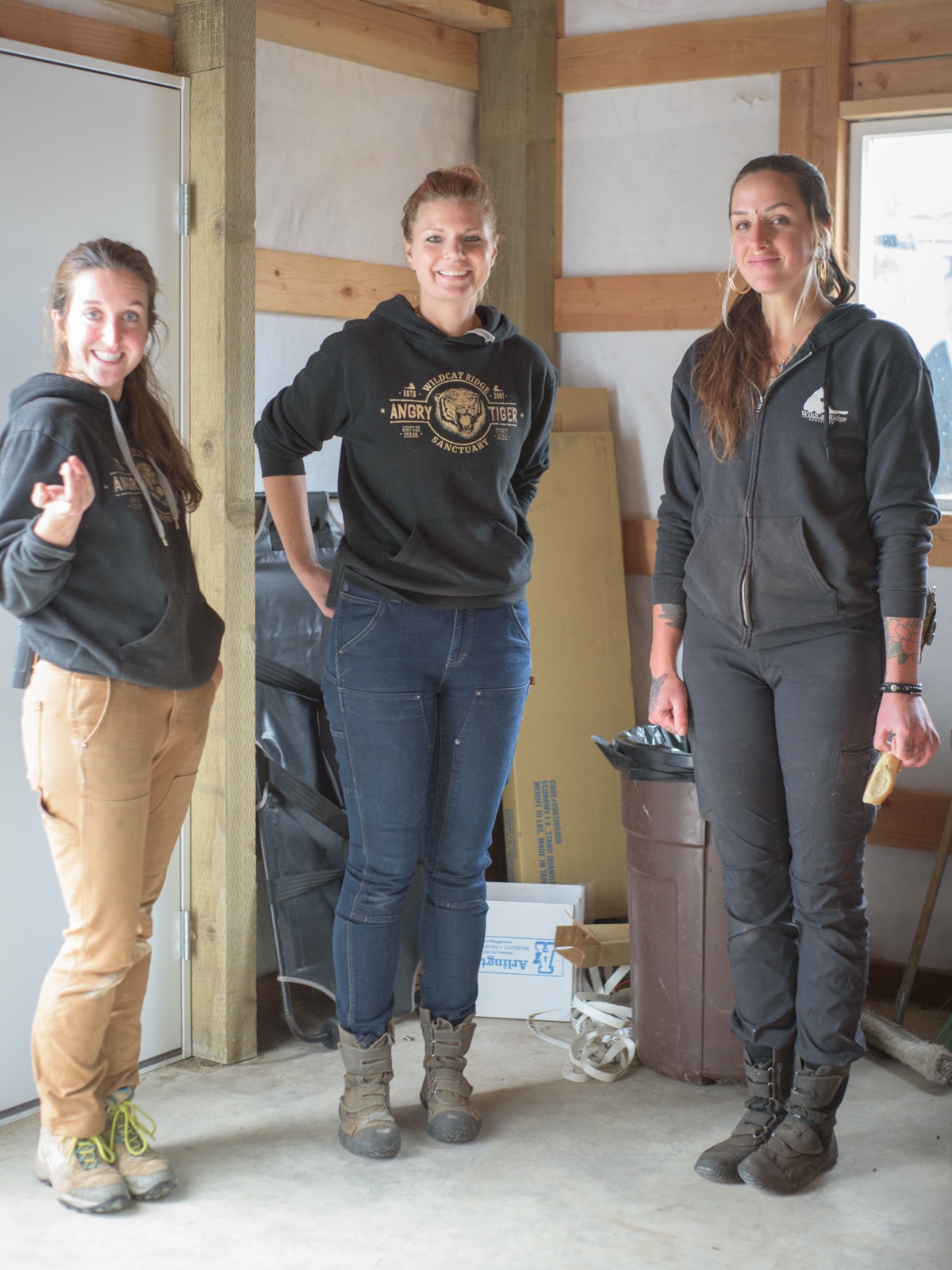
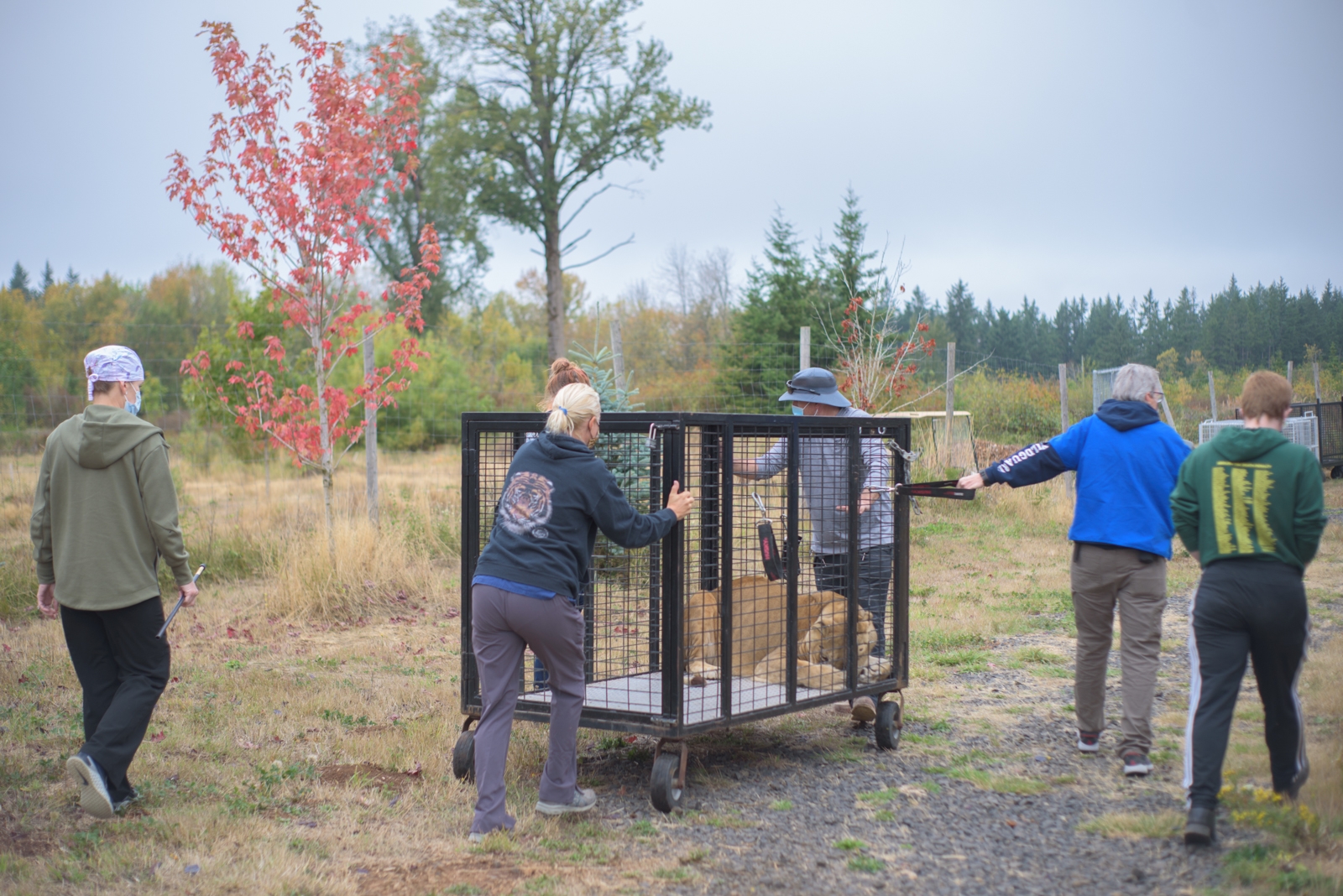
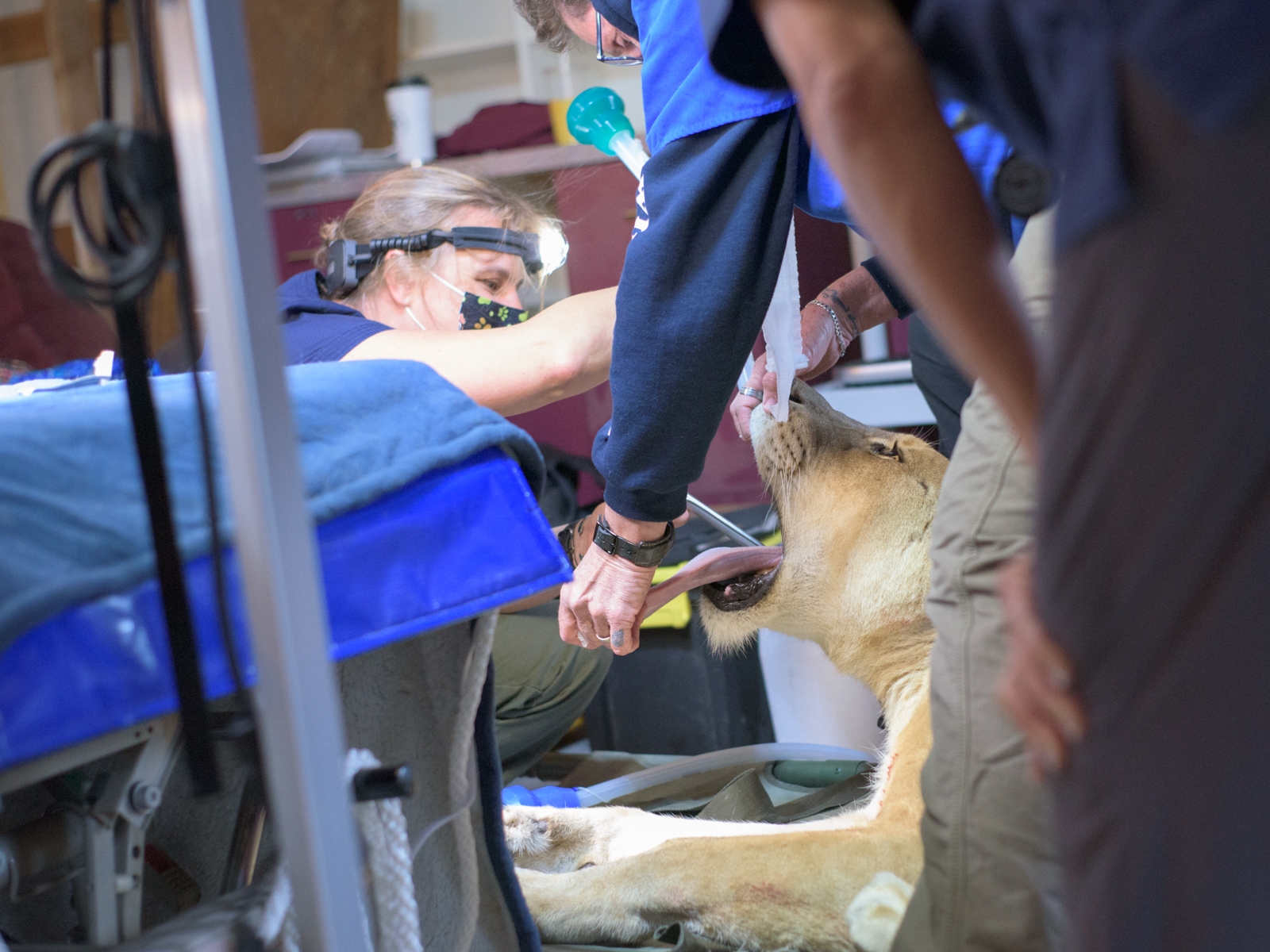
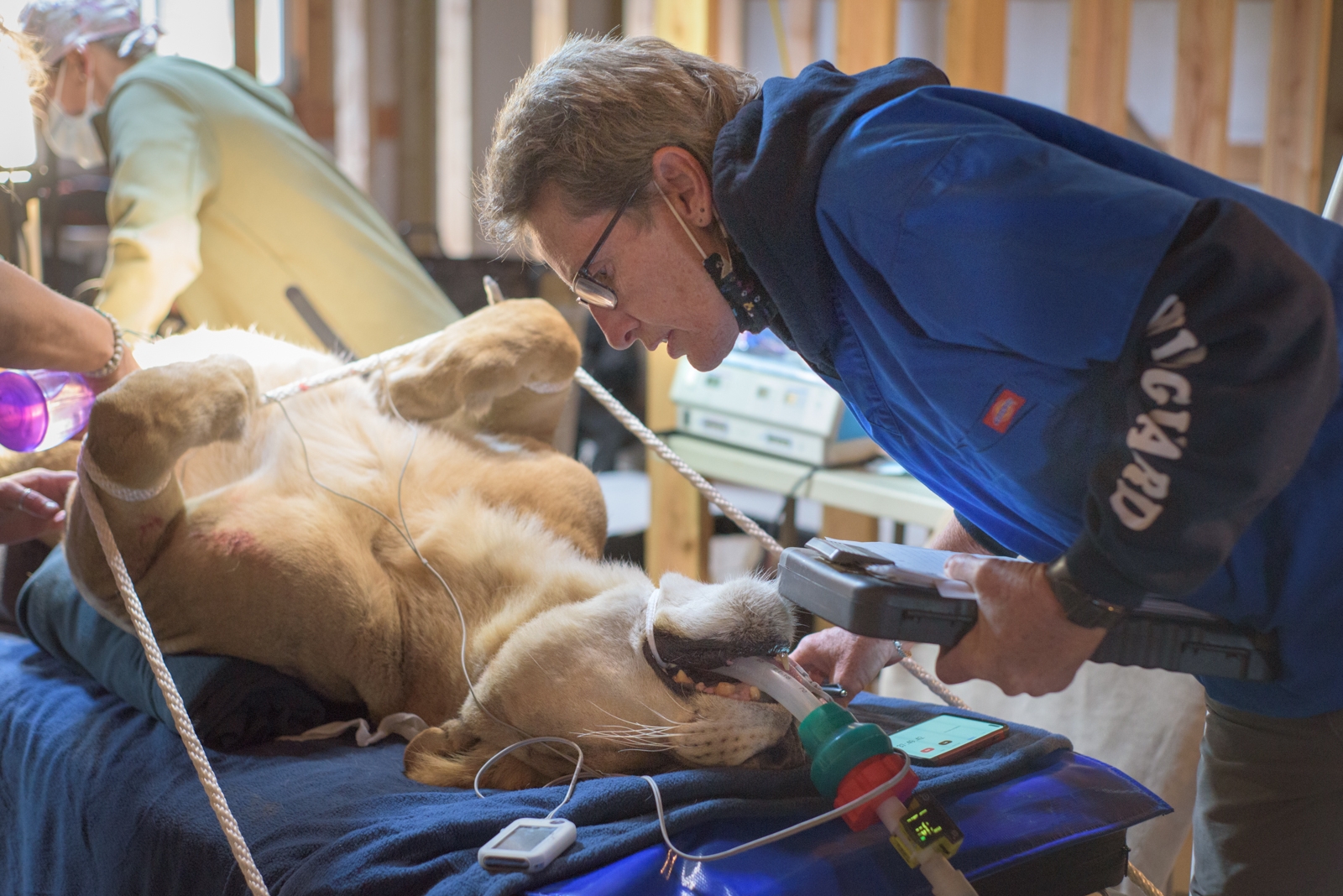
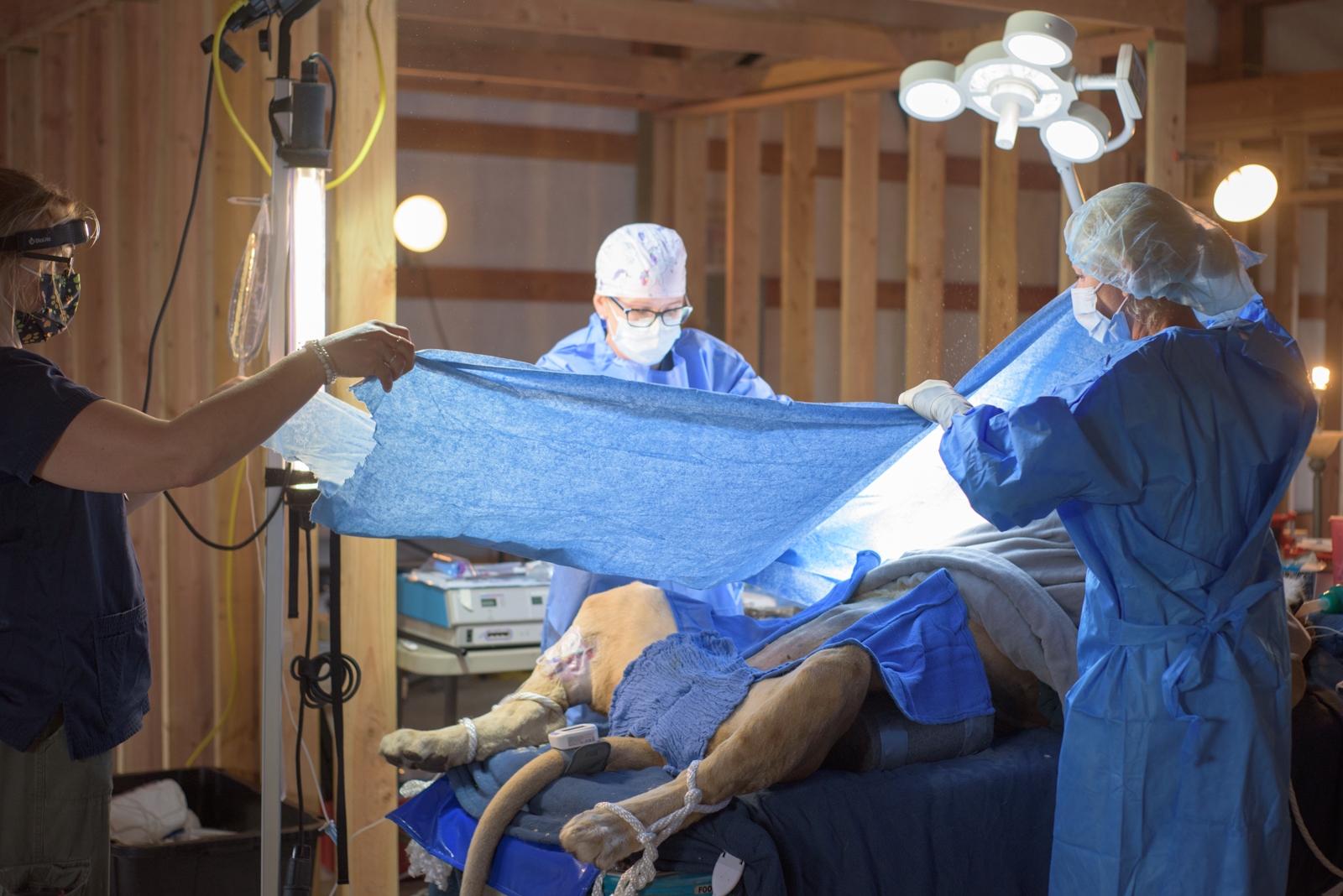
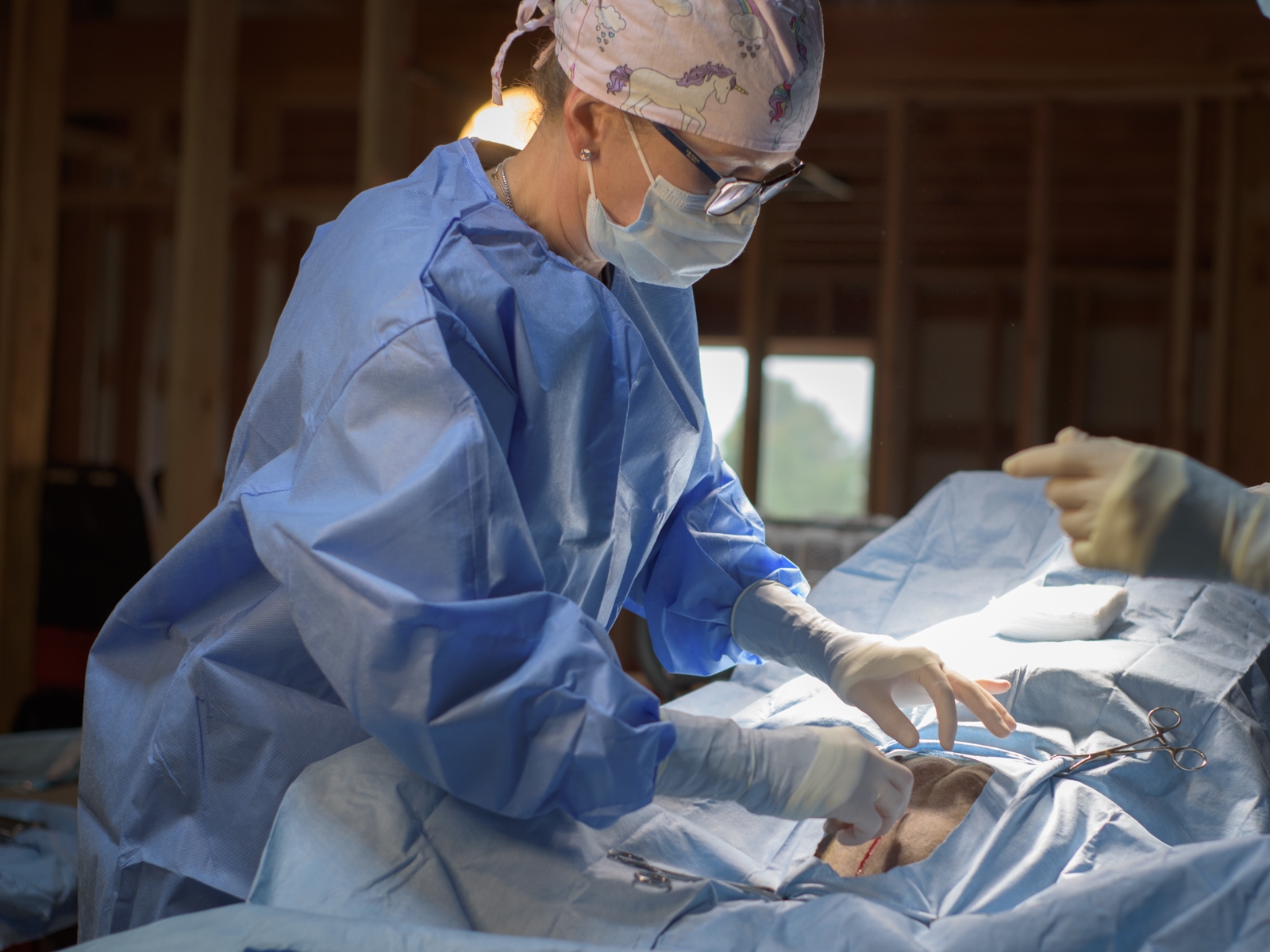
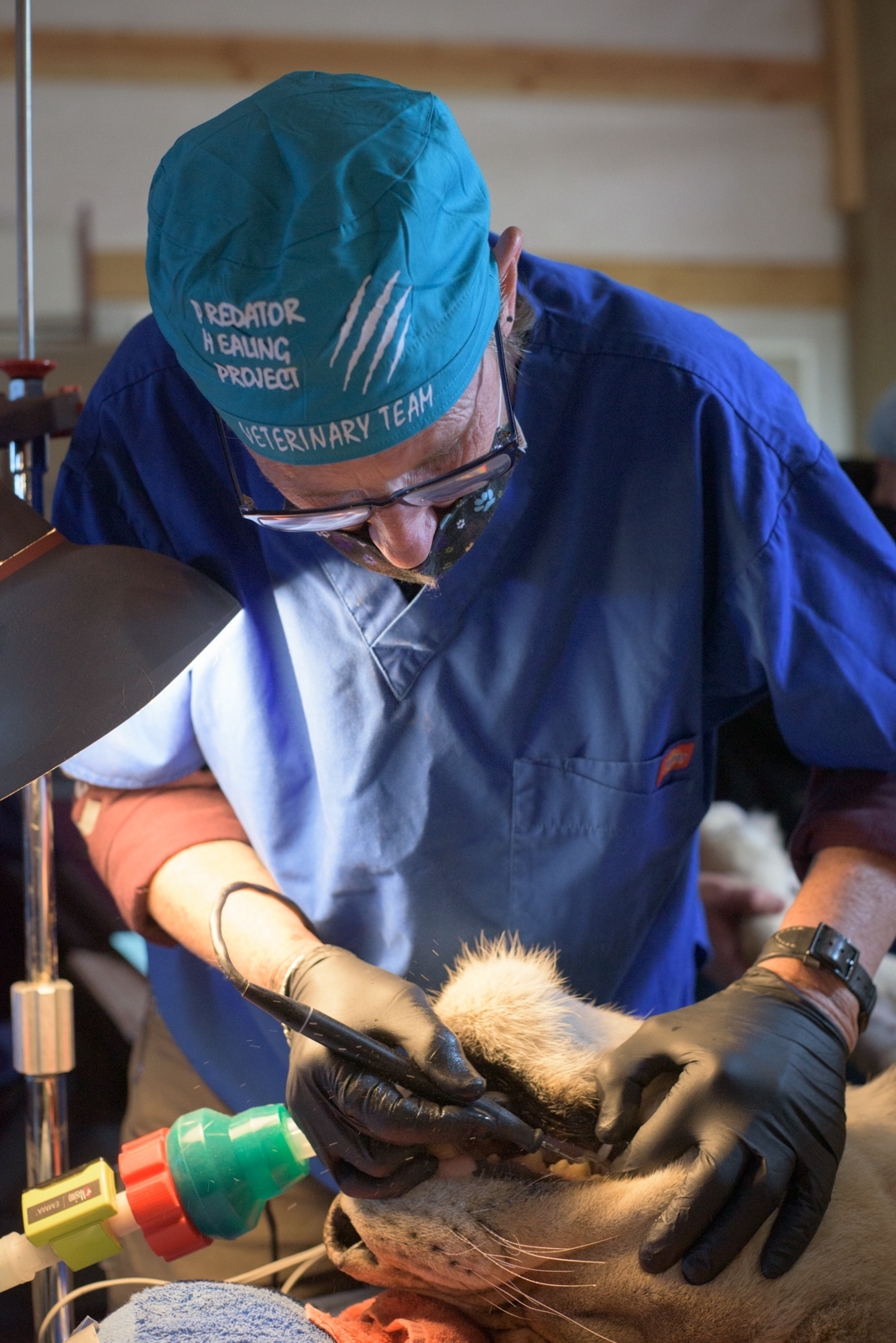
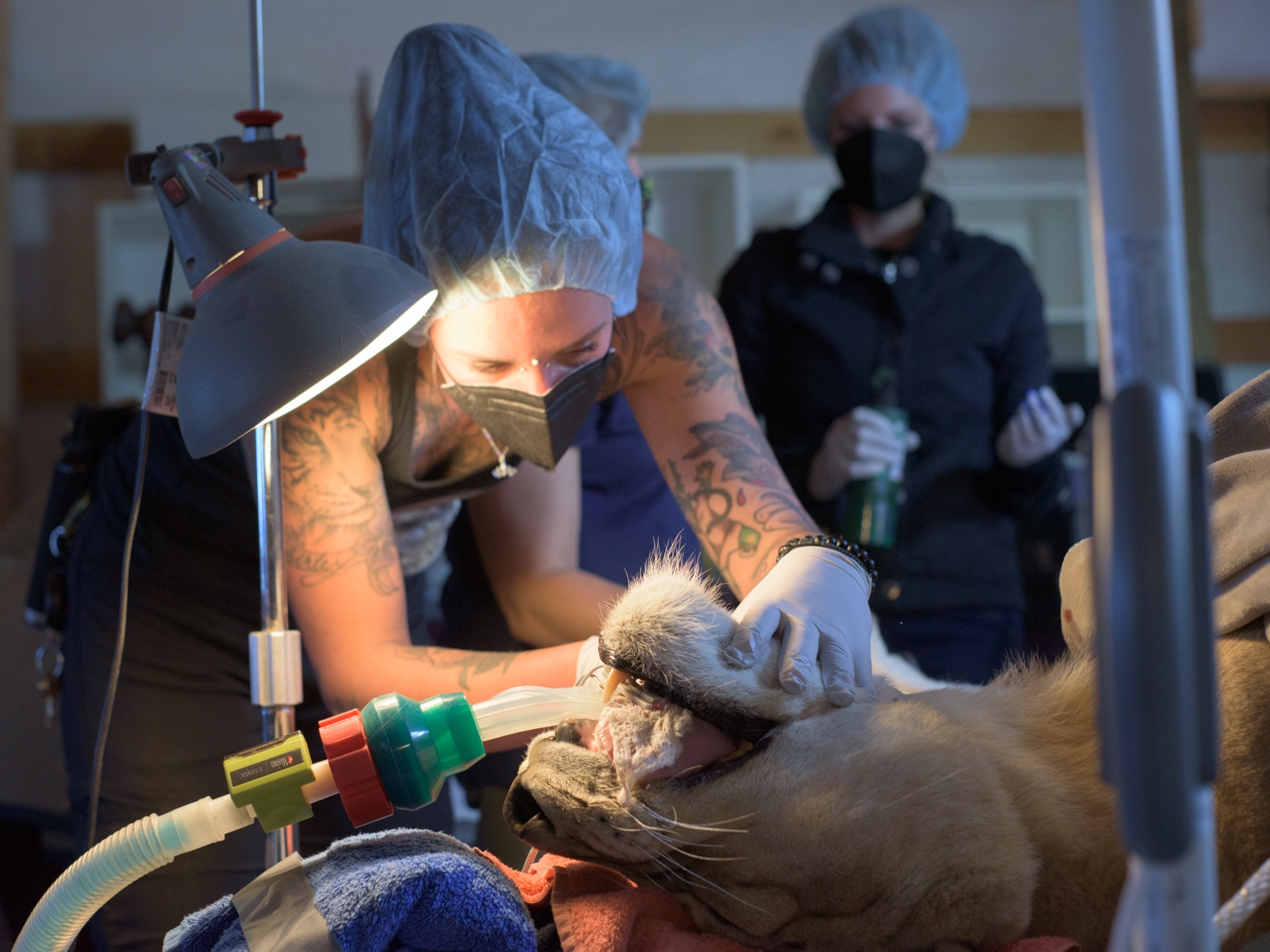
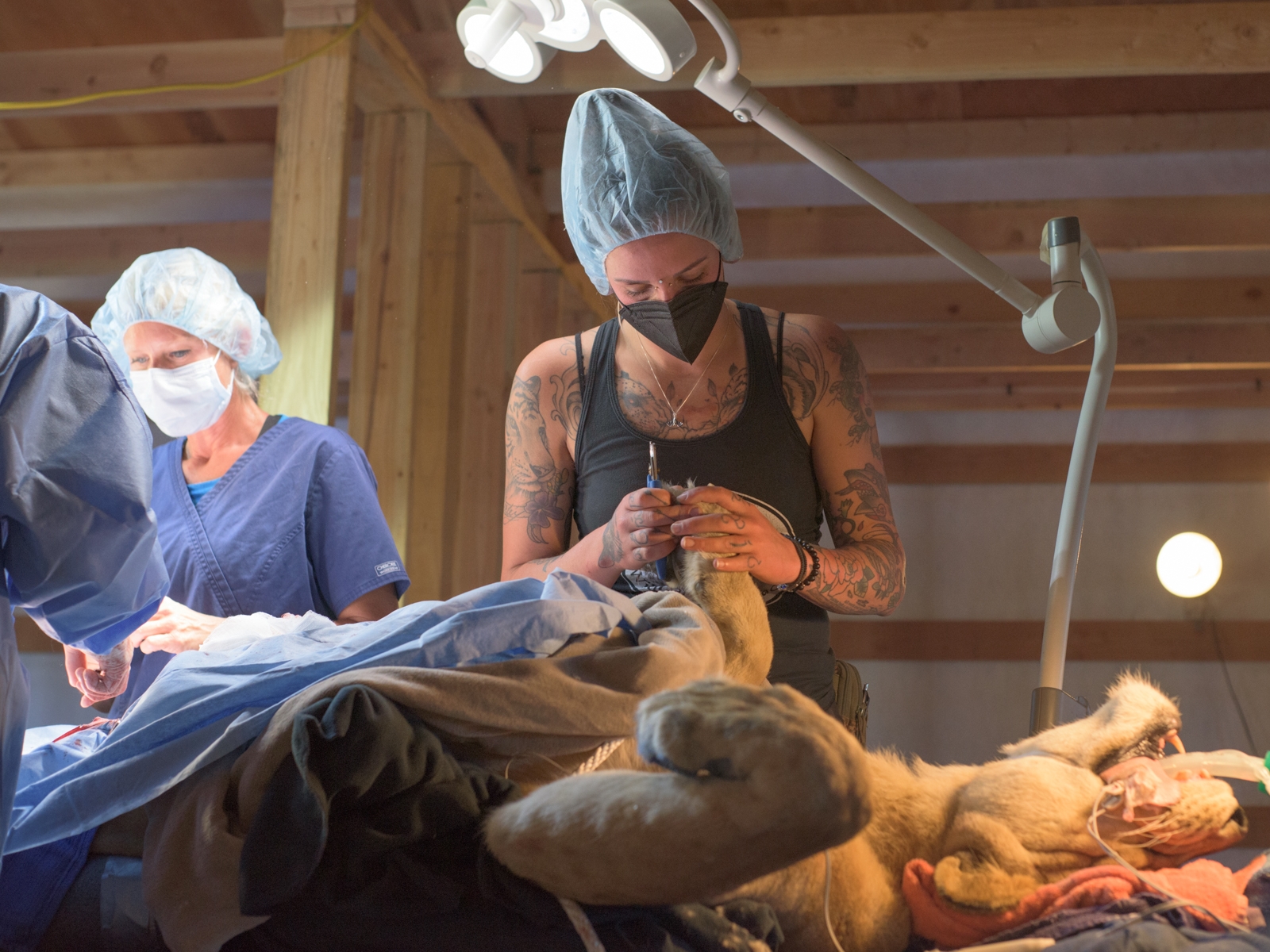
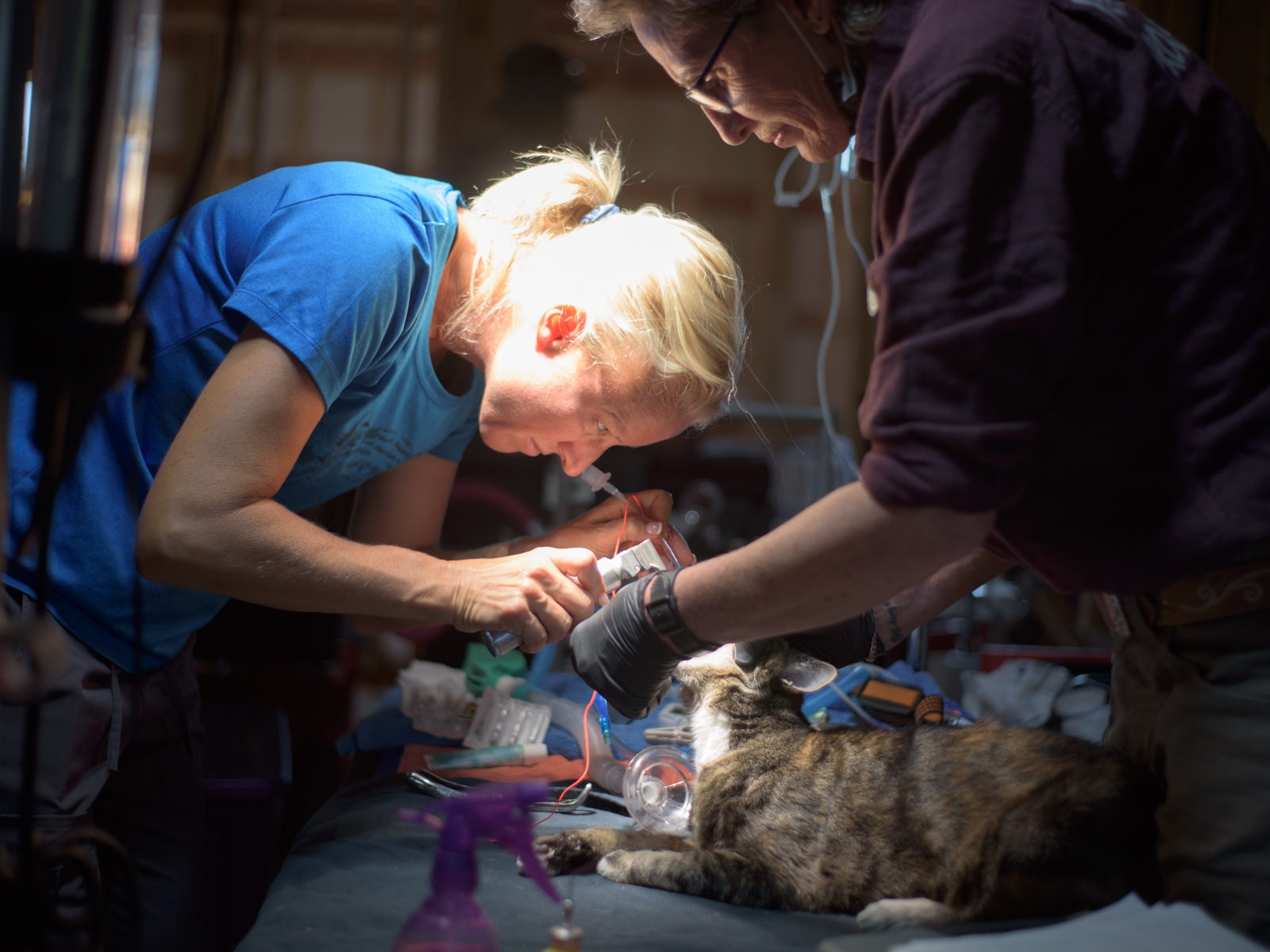
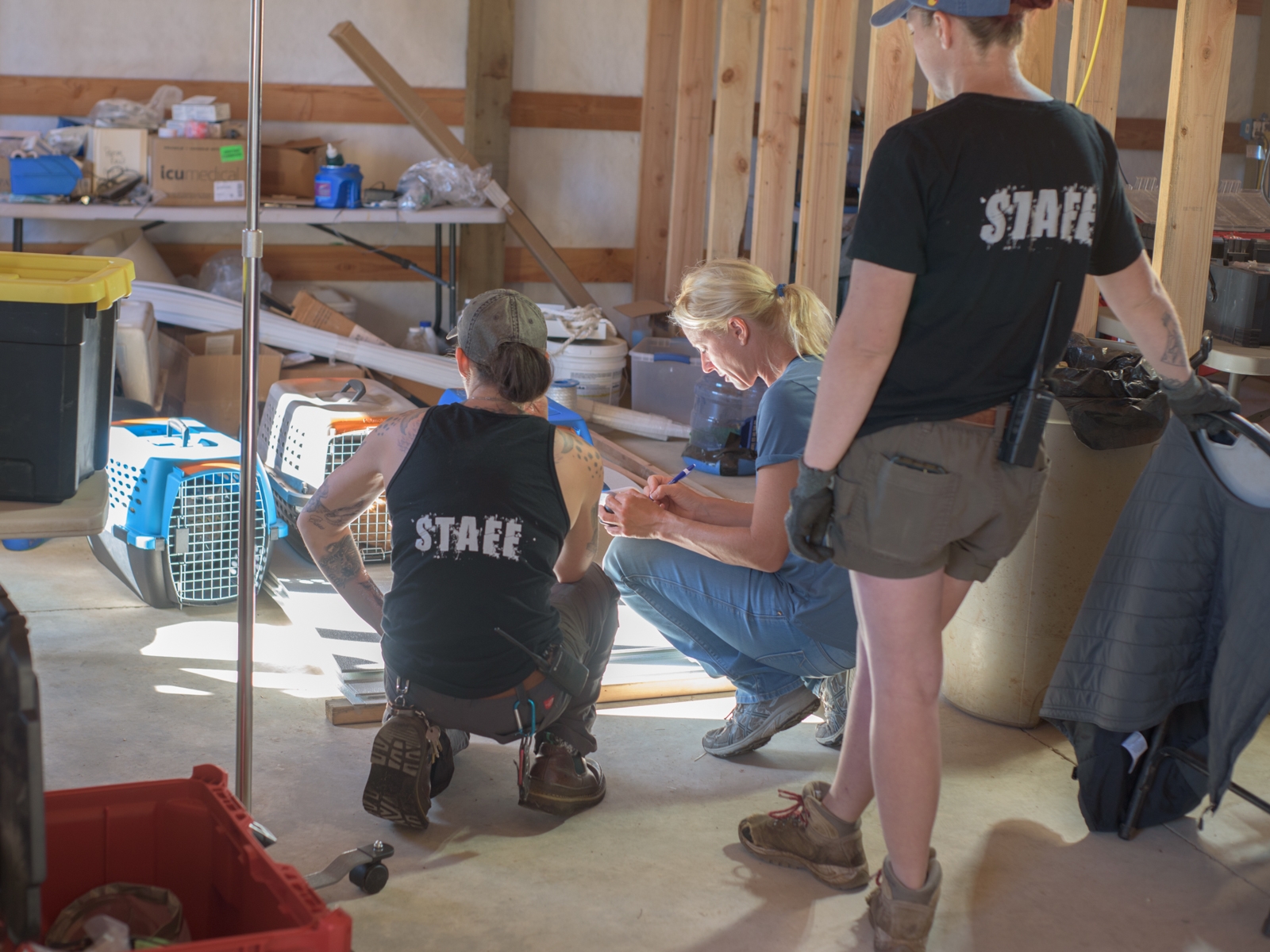
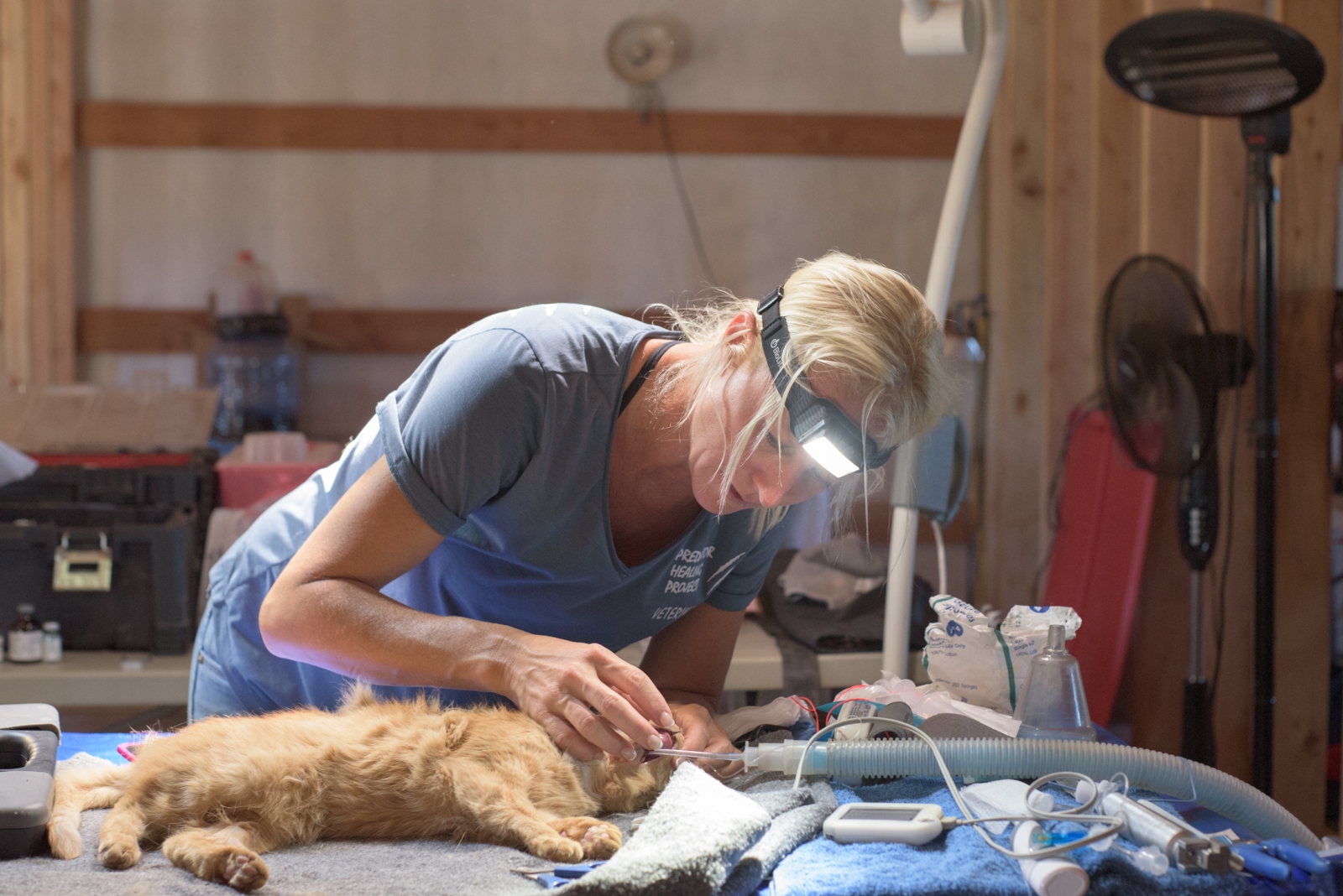
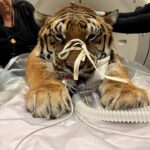
First up on Dr. Richard’s agenda was Kariba’s spay. We keepers were able to get Kariba locked into a crate to make it easier and safer to sedate her for the procedure. The entire procedure took approximately three hours, and the vet team worked diligently to cover all the basics in addition to the spay, from clipping nails to cleaning her teeth. Keeper Lynx, a trained vet tech, was able to assist with elements of the procedure while the rest of us keepers stood close by watching. There was so much to be learned from that experience! 

Kariba spay

After Kariba was securely returned to her crate post-op, Dr. Richard administered the reversal drugs and kept a close eye on her as she woke up. It was a relief to have everything go smoothly and according to plan. And Kariba herself is recovering wonderfully, already back to her feisty, fiery self. 

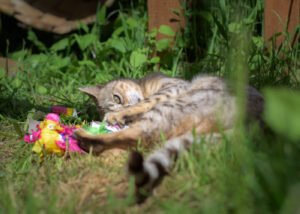
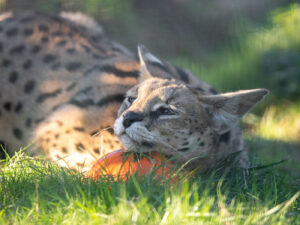
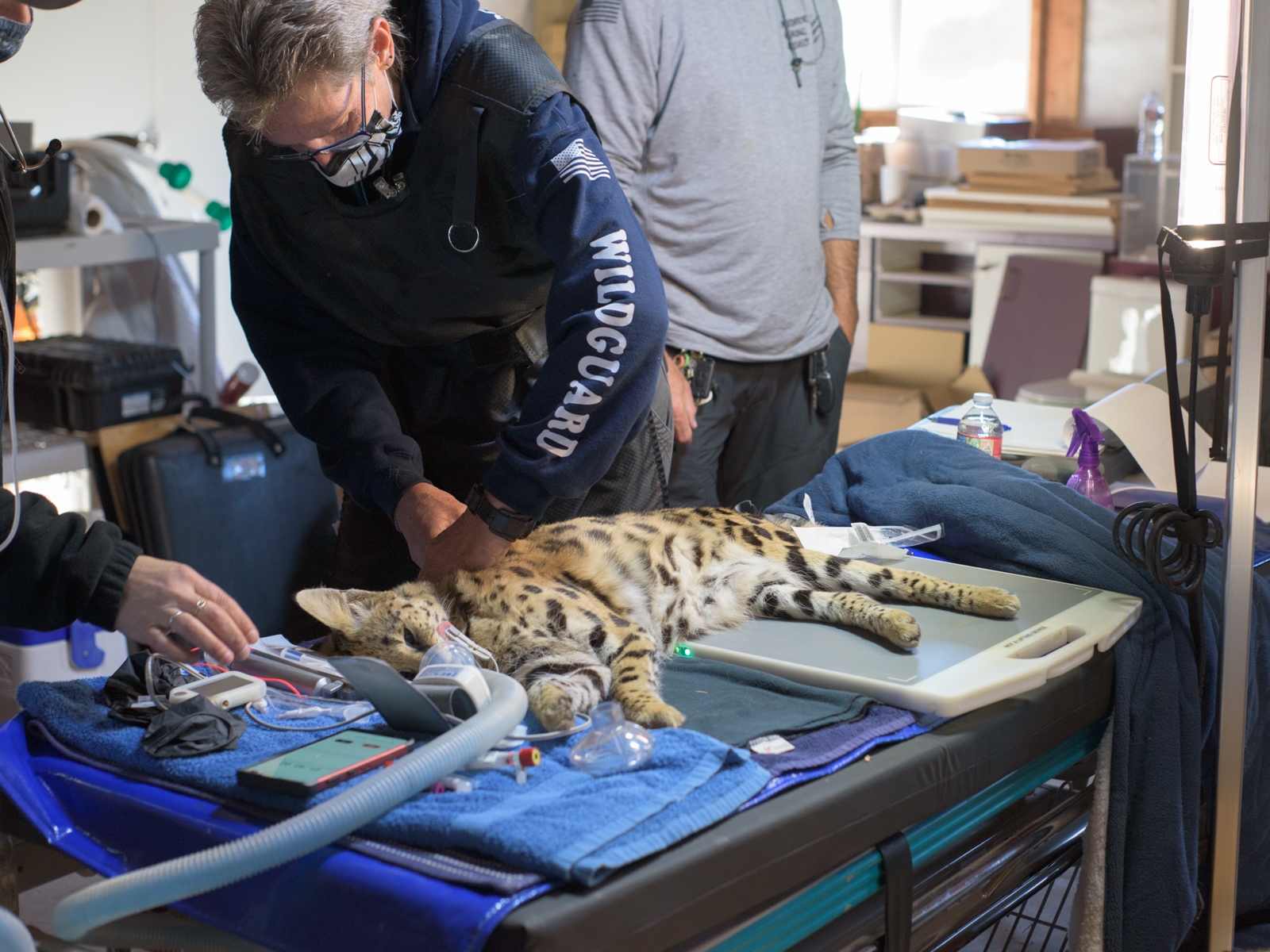
In addition to Kariba, Dr. Richard took some time to check up on other cats as well, including our serval Tanzi. One of the daily things the keepers monitor is the behavior of the cats while eating. Unfortunately, we noticed that Tanzi hadn’t been eating as much as usual for about a week before Dr. Richard’s visit. . A good indicator of an animal feeling sick is a lack of appetite, so we were anxious to have Tanzi examined.

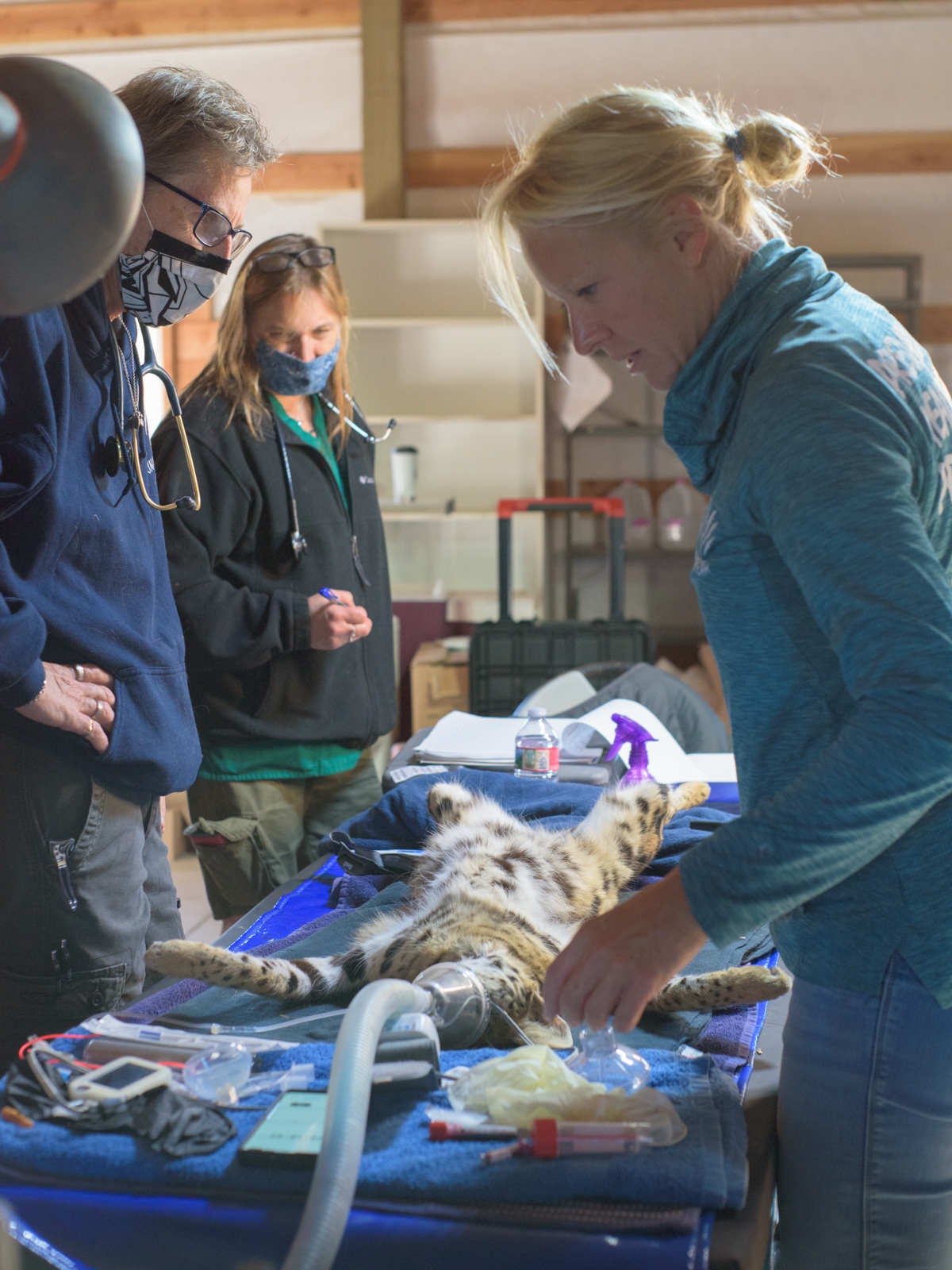
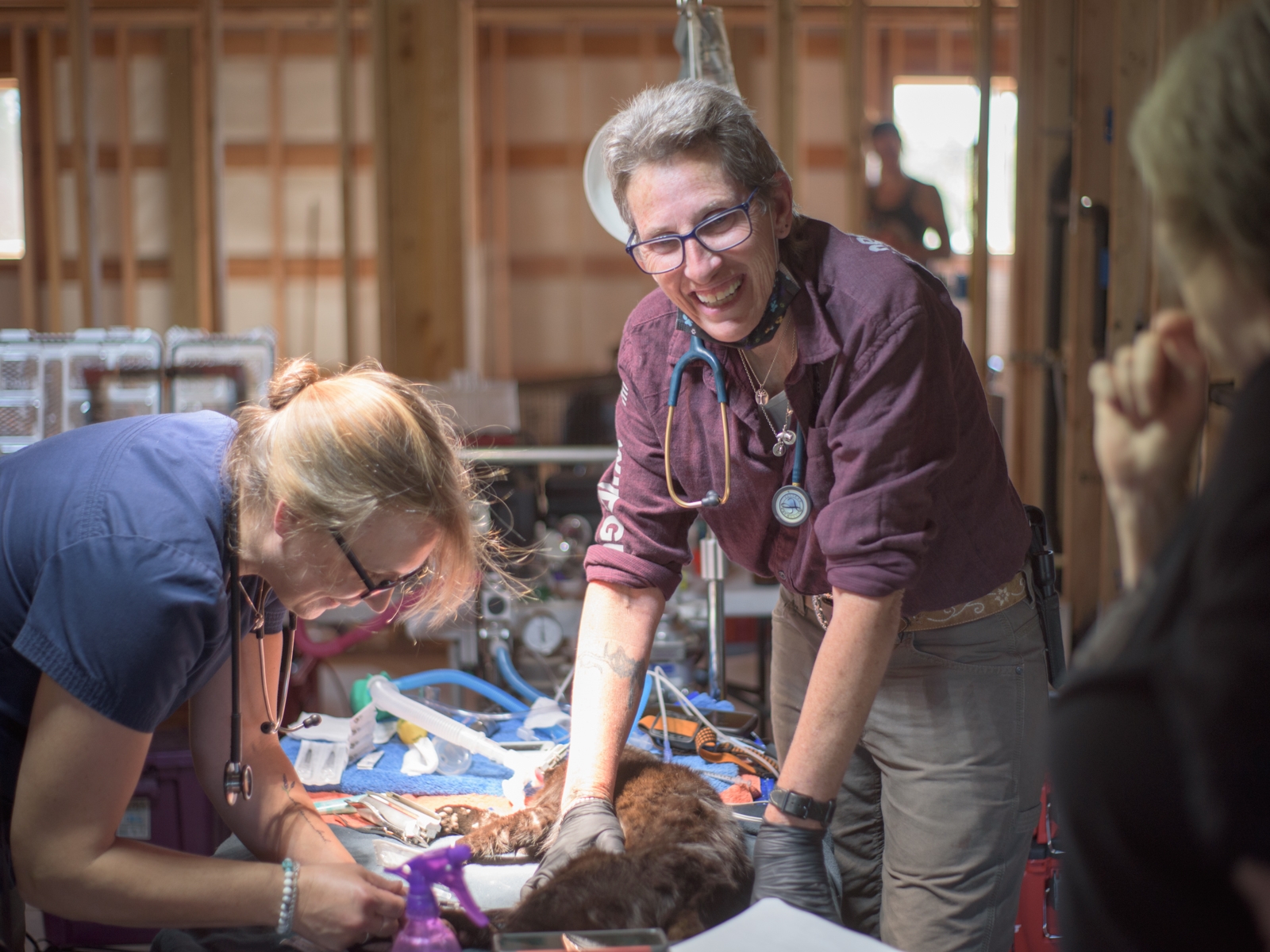
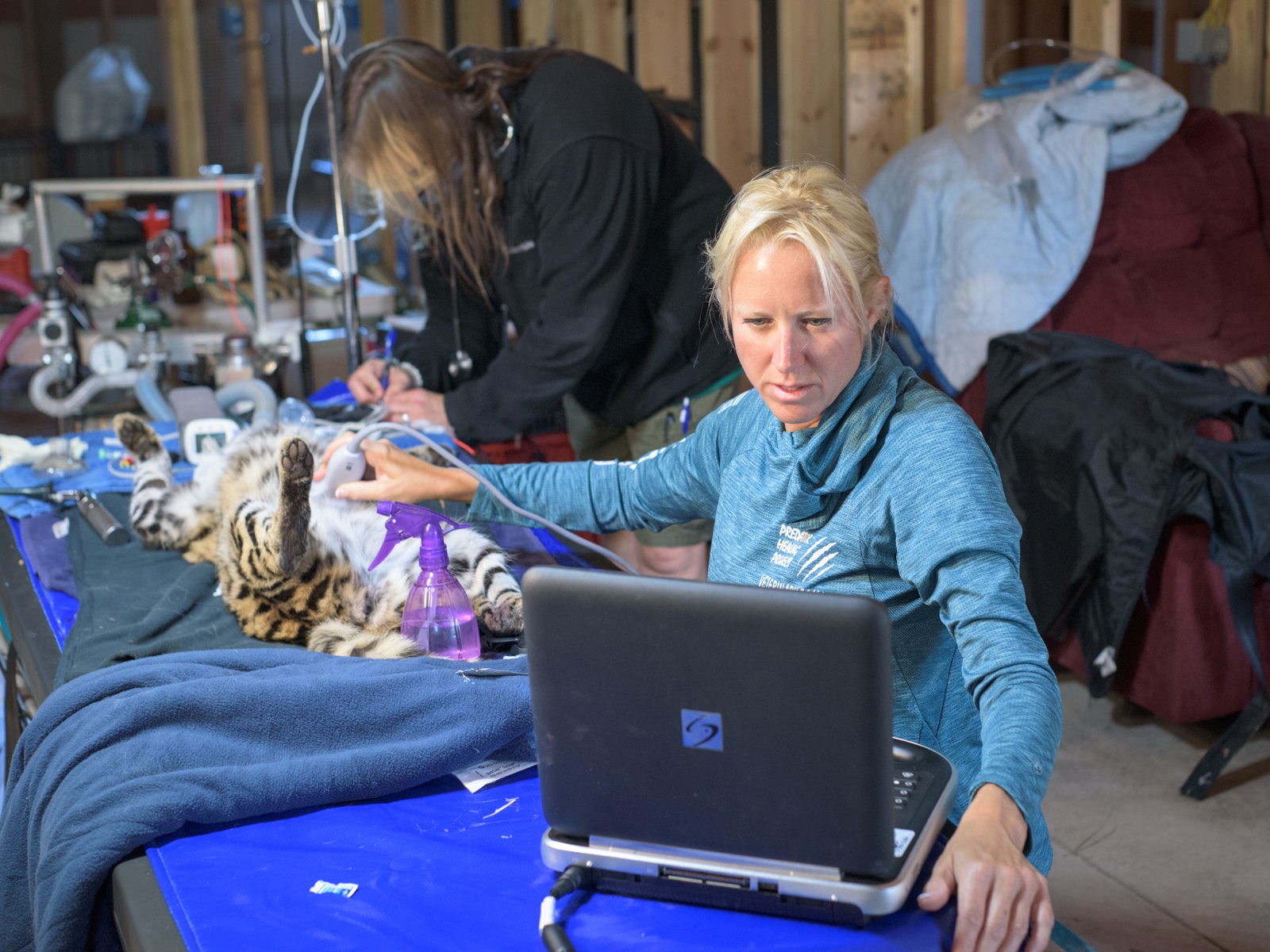
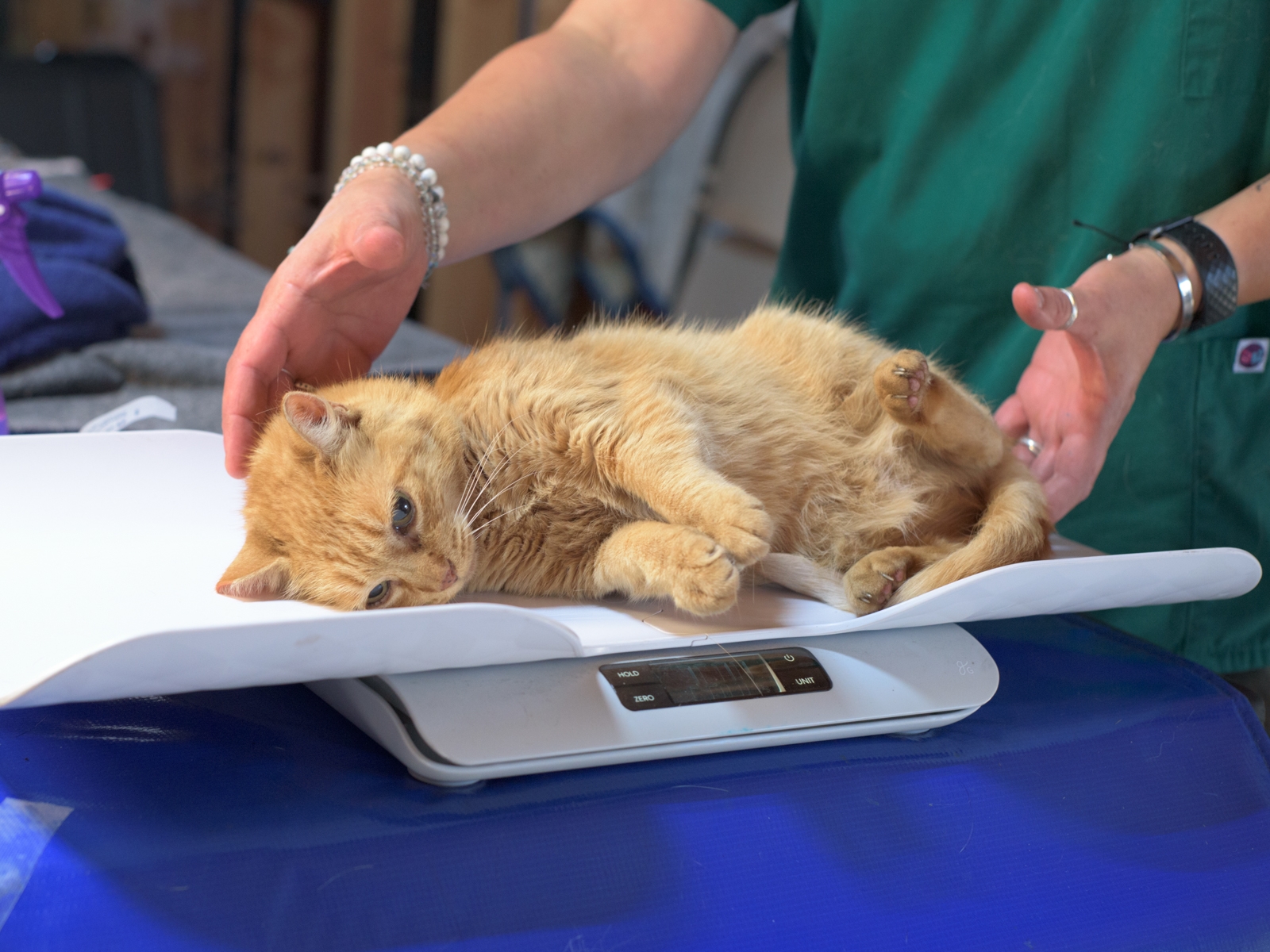
Well, it was a good thing we did, because the x-rays revealed a lot of debris in Tanzi’s stomach. According to Dr. Richard, it looked like Tanzi had a very upset gut and was trying to help herself feel better by eating things not meant to be eaten. The solution? Administer medication and some lactulose to help pass the debris through her system and get her back to her normal self. We’re happy to report that Tanzi is on the fast track to a clean bill of health. Tanzi checkup

A top priority for the keepers was ensuring a number of our sweet domestics underwent an examination as well, especially those cats who hadn’t been examined recently, to make sure everyone was healthy. It took all the keepers to wrangle seven domestics, but soon enough they were crated and transported to the hospital (much to their chagrin) for their check-ups.

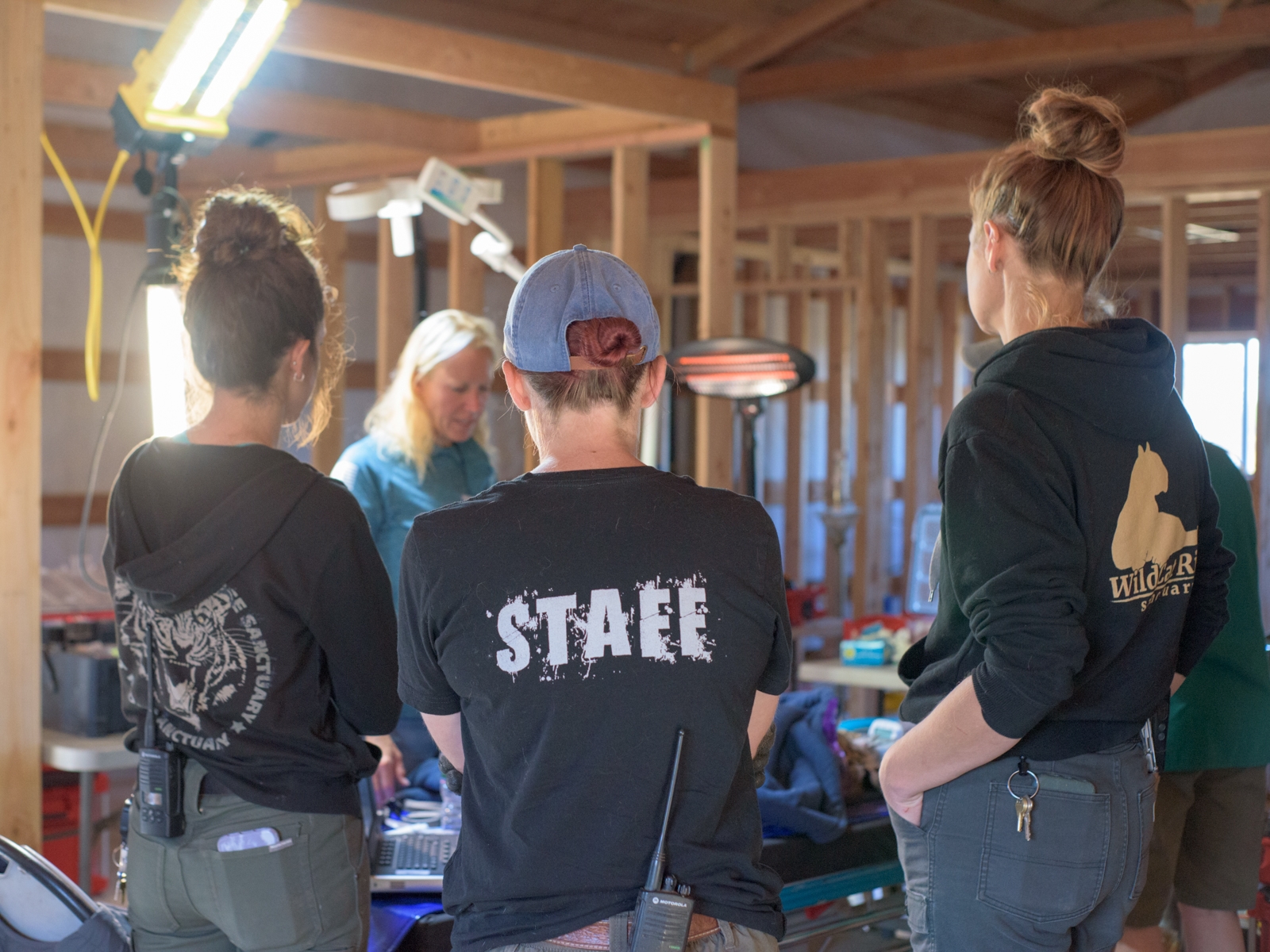
Needless to say, both days were long and intense, full of impressive teamwork, passionate dedication to and love for the animals, and learning. For some of us keepers who are new or not as experienced with the veterinary side of things, being able to watch and learn from the vet team was an incredible gift. Not to mention the fact that being able to rely on such a knowledgeable team of vets and vet techs put all of us at peace knowing our cats were in the best of hands.

Here are a few key moments from the procedures

Posted by Rebecca Siemens in Blog

A Day in the Life of a Keeper – Part 2: The Afternoon Routine

A Day in the Life of a Keeper

Part 2: The Afternoon Routine

In this week’s Keeper Journal, we’re going to pick up right where we left off following the completion of all our morning responsibilities and take a look at the wide variety of tasks on our afternoon to-do list.

It can pretty much be assumed that every afternoon involves cleaning of some kind. With over 80 animals on the property, there’s always something in need of cleaning. We might be scheduled one day to clean Alpha, home to the lions and tigers because Calvin and Hobbes’s pool is starting to look a little murky. Or, we might need to plan on detailing Bravo, housing our sweet cougar Noni, because the blackberry bushes are wreaking havoc on all the other trees and shrubs. 

So we gather up our supplies, making sure we’ve got enough straw to refresh den boxes, extra batteries for the weed whackers, and something fun and tasty for enrichment, and head out, rain, snow, or shine. 

Even though regular cleaning is definitely part of the routine, it isn’t as boring or tiresome as it might sound. We get to experience the cats and their unique personalities, watch them engage with their enrichment, and, since the cleaning schedule changes so frequently, it’s not very often that you find yourself cleaning the same enclosures week after week – because just as we have to keep things new and exciting for the cats, we’ve got to change things up for us keepers as well! 

Once we’ve completed the day’s big clean, we usually find ourselves with a little bit of leftover time for projects. These projects might include anything from landscape maintenance to crafting new structures to enhance the lives of cats.

One of our most recent projects included designing, building, and installing lockout crates on every enclosure. These lockout crates help streamline feeding, helping us make sure everyone gets their proper amount of food and meds, as well as minimize potential scuffles between roommates. After all, no one likes it when someone takes your chicken heart. 

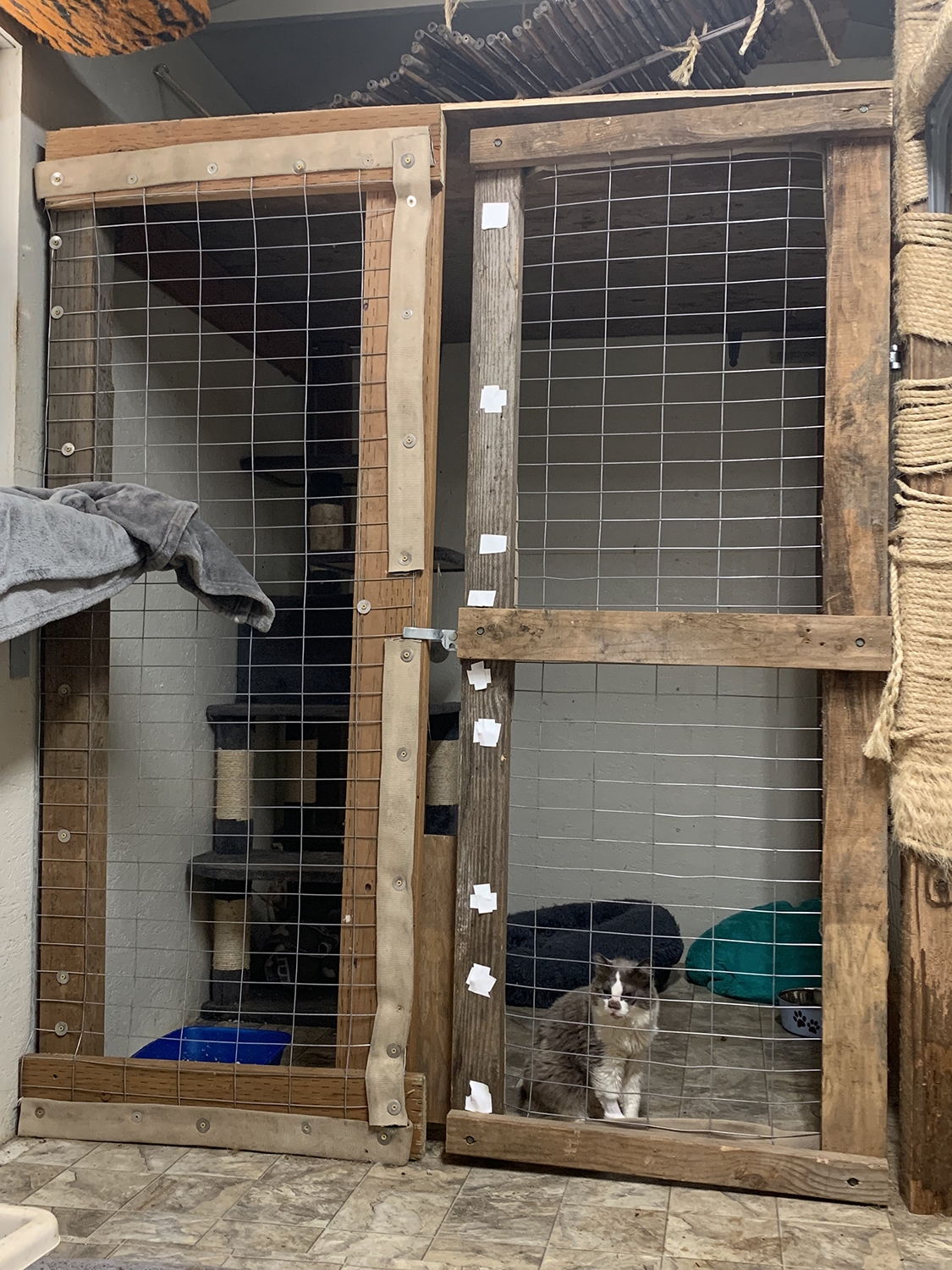
Quarantine enclosure with MabelAnother project we completed, and which we’re all rather proud of, included building a quarantine crate in our domestic cat house. This crate, which is large enough to fit all five of us keepers inside, was crafted from wood and wire to create a small little “room,” so to speak, in which we can house new cats or recovering cats, or anyone who just needs some extra care and attention. Without causing them undue stress by moving them elsewhere, this large crate allows us to keep a kitty in an area familiar to them, while still making sure they get the right amount of food, TLC, and medical care necessary.

Mabel, who recently underwent surgery to remove the cancerous cells from her nose, was the first to test out this keeper-made quarantine crate, and we’re pretty confident that so far, her reviews have come back positive. 

Once we get our projects wrapped up, usually around 4 p.m. each day, we begin closing procedures, locking up all perimeters, checking livestock water levels, making sure meat is ready for the next day, charging the golf carts, and marking down any end-of-the-day notes. Of course, while this is all routine and what a daily afternoon schedule usually looks like, it can be upset and changed around in the blink of an eye, depending on which cat needs what when – after all, they run this place. We just work here.

Posted by Rebecca Siemens in Blog

A Day in the Life of a Keeper – Part 1: The Morning Routine

A Day in the Life of a Keeper

Part 1: The Morning Routine

A commonly asked question the keepers receive is, “What do you do as a keeper? What does the day look like?” 

This is a great question and one we’d like to address for all those curious souls, especially those potential interns wondering what it would be like to work at WCR. This week we’ll give you a glimpse into our busy morning routine.  

Our days typically start around 7 AM, (we work ten-hour days) where we all stagger sleepily, coffee in hand, into Food Prep. Food Prep could be referred to as our Keeper HQ – it’s where you’ll find all the cleaning supplies, the laundry/locker room, the fridge where we keep all the diets for the next day, and all the medications. The walls are covered with whiteboards detailing how much food each cat gets, what doses of medications some of them need, projects to be completed and, of course, the daily schedule and to-do list. 

We spend the first couple hours of the morning weighing out the diets (most of which are made the day before), adding the needed meds, catching up on notes, and talking out the plan for the day. Then, as the diets are completed, we separate and feed our respective areas. 

The sanctuary is sectioned off into six sections, or perimeters – Alpha (tigers & lions), Bravo (cougars), Echo (cheetahs), Charlie & Delta (servals and bobcats), and the small cat pens where we house the smaller savannahs, Bengals and domestic cats. Typically, one keeper feeds “big guys” – Alpha, Bravo, and Echo –another handles Charlie/Delta and a third takes the small cats.

During feeding, we pay attention to their behaviors. Is someone eating slower than usual? Did another cat sift out all their meds and refuse to take them? Did so-and-so not eat as much as we expected, or only eat one kind of meat? How the cats eat can tell us much about their overall health, so paying attention to a seemingly small detail is a very important part of our jobs. Any irregularities we make sure to keep notes of so we can notice patterns of behaviors or any potential warning signs.

Feeding takes two to three hours, and post-feeding includes washing all the dishes and preparing diets for the big guys and small cats for the following day. Charlie/Delta we make day-of, so we don’t worry so much about that. Diet prep includes weighing out the appropriate amount of meat for each cat, paying attention to their likes and dislikes to ensure they eat everything! Just like your house cats, some of our cats can be quite picky, like Safari who refuses to eat liver or Uche who really loves a crunchy turkey gizzard or chicken neck.

We feed them a combination of raw chicken, beef, and Nebraska horsemeat, as well as the occasional venison, rabbit, quail, or fish, as friends of the sanctuary, will sometimes donate different kinds of meat if they have an overabundance. We’ve noticed how sometimes the cats grow bored with their food occasionally, so we always get excited when people help us freshen it up for them!

During diet prep, it’s inevitable that a keeper will walk into Food Prep and ask, “Hey, has livestock been fed?” In addition to the cats, we make sure the donkeys, cows, pigs, sheep, chickens, and turkey get their breakfast, too...it’s hard to forget about them, the donkeys will yell at anyone who walks by the fence as a reminder to bring fresh hay asap. 

Once all that’s been completed, it’s time for us to take a lunch break before starting in on the afternoon’s tasks.

Posted by Rebecca Siemens in Blog

By Means of an Introduction – the Keeper Journal

By Means of an Introduction – the Keeper Journal

Written By Rebecca Siemens, Animal Keeper

Rebecca Siemens

Rebecca with Mouse, one of our domestic cats.

First things first, let me introduce myself  – I’m Rebecca, one of the newer Keepers here at Wildcat Ridge Sanctuary (WCR) in Scotts Mills, Oregon. I started my journey with WCR as an intern in January 2021 and began as a keeper in June this same year. So far it’s been nothing short of a wild ride, and I’m confident in saying none of us keepers would have it any other way. After all, that’s what working alongside animals is all about. They call the shots, not us.

So what’s this “Keeper Journal” you’ve found yourself reading? 

Great question. 

Perhaps you’ve stumbled across the keeper’s TikTok or Instagram pages? (If not, go check them out to see the cat’s being adorable and the keepers being ridiculous.) Well, we started those pages with the hopes of letting you see some of the behind-the-scenes happenings, the sweet moments with the cats, and the realities of being an animal caretaker. And this corner of our WCR blog is dedicated to giving you a deeper look into what we do, why we do what we do, and, more specifically, the goings-on around the sanctuary.

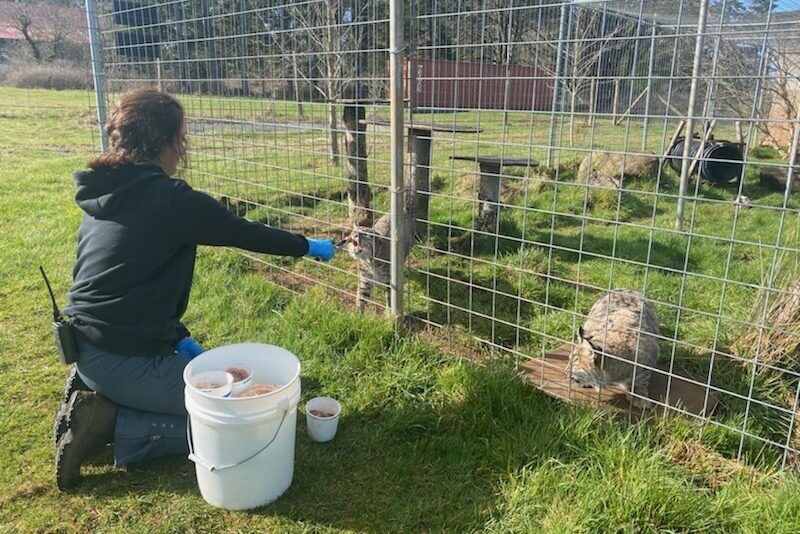
Rebecca, feeding Howie and Casper

Rebecca, feeding Howie and Casper

Being an exotic wildcat keeper is a roller coaster and one of the most rewarding jobs I’ve ever experienced. It’s inconsistent and routine, it’s lifegiving and exhausting, it can be pretty smelly and dirty, but it’s mostly simply beautiful. Because no matter how difficult the day has been, how much hay you’ve accumulated in your boots, how much sunscreen you’ve sweated off, or how many new ways you’ve had to attempt the same project, it’s all worth it when you’re greeted each morning with Atticus’s moos, Howie’s howls (obviously because you were so late bringing over breakfast, you terrible keeper you), and Addison’s chirps. 

So I hope you tag along and tune in here and there to see what new project we’re working on, get to know the keepers and cats better, and even get a glimpse into our days around the sanctuary. Because, in true animal fashion, no two days are ever the same. 

Posted by Rebecca Siemens in Blog

A Passion Fueled By Fire

Originally published in:
Weber State University on October 30, 2020

Written by By Taylor Benincosa, Wildcat Ridge Sanctuary - Carnivore Keeper

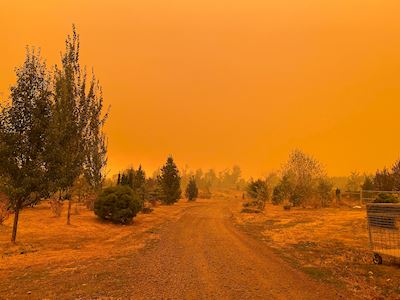
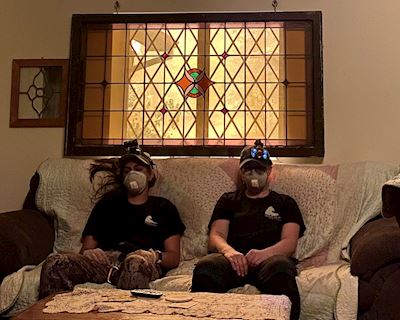
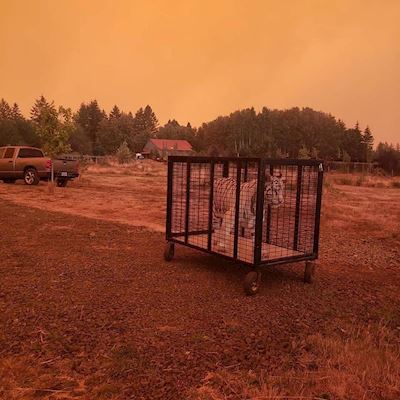
Working at a nonprofit animal sanctuary as a carnivore keeper tends to be an adventure every day. The opportunity to be innovative and creative when it comes to solving problems presents itself quite often. September 8, 2020, was no exception. After large wind storms, the night before, another keeper and I went into work expecting to repair the damage done to enclosures, get the power in our barn back on, and care for all the animals. While preparing diets, we received an unexpected phone call telling us that a wildfire was rapidly spreading, and we needed to begin evacuating the facility immediately. The smoke became more prominent over the property as we began moving animals to a different location as quickly as possible. The bright red skies made everything feel so eerie and dangerous.

I'll never forget the look in the tigers' eyes while we waited for their transport crates to be ready. The fear I saw within them was heartbreaking.

After two days, we had evacuated 70 plus animals off of the Wildcat Ridge Sanctuary property, including tigers, lions, cougars, bobcats, servals, cheetahs, and domestic/hybrid cats. We spent the next two weeks dividing our team-up between a makeshift triage shelter created with the help of amazing volunteers at a barn far away from potential danger, as well as Wildlife Safari. Wildlife Safari is a facility we reached out to who offered to house our 14 big cats until we were able to return to the sanctuary. I can't express my gratitude to everyone who stepped in to help during the chaos, especially after having to evacuate my own home in the middle of it all. After a month of temporary housing, we are finally all moved back home. Seeing the big cats recognize their own enclosures and feel safe enough to play and sleep belly up out in their yards was one of the most rewarding things I've ever experienced.

Growing up, I always wanted to be like the people I watched on Animal Planet: the ASPCA who saved animals from natural disasters or unfit living conditions, Steve Irwin and his knowledge of wildlife and how to protect them, and the zookeepers who worked closely with exotic animals. This passion for animals inspired me to pursue a zoology degree and find work at a facility that cares for animals who came from abuse. These animals have faced so much already in life, an example being our lionesses who were bred by the infamous Joe Exotic, that keeping them safe during this unexpected situation was incredibly important. It was eye-opening to see how deeply this passion was rooted within me when faced with an emergency situation.

Adapting to uncertainty and fear was easy when it meant that these animals would be out of danger if I kept going.

Find what you are passionate about, live your life knowing that you are making a difference, and keep fighting for your dreams.

I never expected to experience the things I have in this field, but I'm grateful for every moment of it.

Posted by Taylor Benincosa in Blog

You Don’t Say… Ep. 33 – In the Wake of Joe Exotic

On November 9th, 2020 we were featured on the podcast, You Don’t Say… Ep. 33
In the Wake of Joe Exotic - WildCat Ridge Sanctuary Comes to the Rescue

We’re talking about our mission, and providing an update on Kariba and Chobe. Listen and share the episode and help us spread our message!

About "You Don’t Say… Stories from the Drew Zagorski Files"

YDS is a podcast about people you should know, topics you should know about, or just things that make us think or laugh. YDS is your stop for interesting stories, opinions, or wisdom to help, inspire, or amuse you.

YDS on Facebook | youdontsay.net

Posted by Stefanie Kraus in Blog

Operation: Big Cat Rescue

Published in:
Our Town North on November 1, 2020

Written by By Melissa Wagoner

"I've moved a lot of off-the-wall things," Eric Tremble, owner of the Two Men and a Truck franchise in Beaverton, told Our Town. "But no, we typically do not move live animals of any sort. Mostly we specialize in residential, home-to-home moves or business moves. That's really what we specialize in."

Read More

Posted by Stefanie Kraus in Blog

Surviving Joe Exotic

Most people have heard of Joe Exotic or if not are at least aware of the Netflix show, Tiger King, Murder, Mayhem, and Madness that aired this year.

Unfortunately, instead of showing the constant abuse of the animals in his care, it sensationalized Joe's life and all the chaos surrounding him.

Read More

Posted by Cheryl Tuller in Blog

Cairo Serval – Saved By A Good Samaritan

On May 9th I received a message from a friend who was worried about wild cats escaping from a home in his area. The photo he sent was one of a Savannah Cat. The owner's number was posted and I called to ask if they ever wanted to place him we would be happy to take him. He politely declined said the cat had been caught. When I asked how he had gotten out so many times he said the cat could open doors. We talked a bit more and he shared that they still have a serval on the loose.

Read More

Posted by Cheryl Tuller in Blog

Tigers in America – Cub Petting, Roadside Zoos and Sanctuaries

“Should we privately own big cats?” Jack, a developer who is part of a tech team I work with, asked this question during a casual meeting. Like many others, he had watched Tiger King and was curious about people's opinions. Based on my passionate answer, I was asked to give a presentation to the whole company during lunch-and-learn. The images in this blog post are slides from my talk.

Read More

Posted by Stefanie Kraus in Blog, Education